
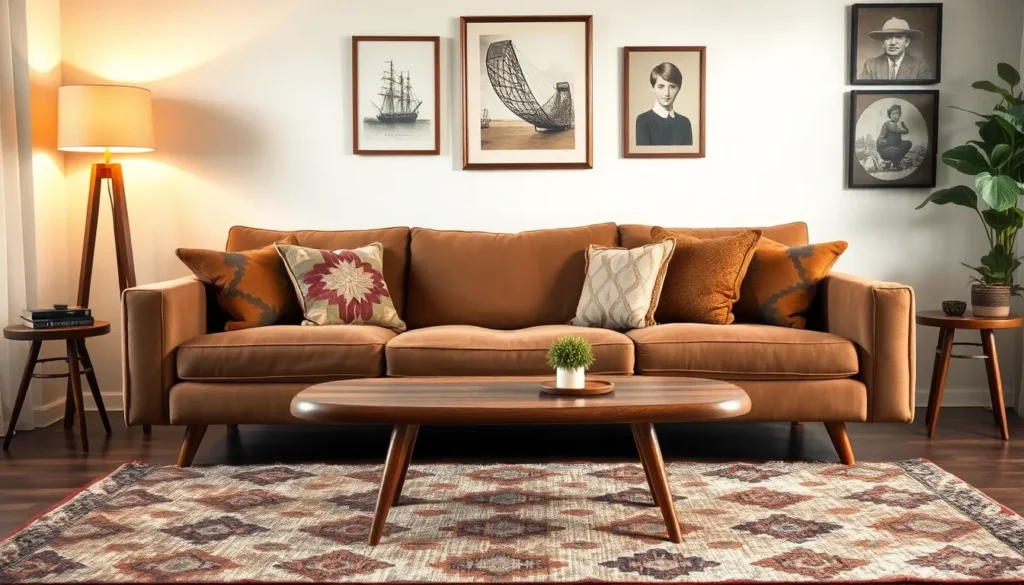
In a world overflowing with sleek modern aesthetics, vintage design stands out like a quirky uncle at a formal dinner. It’s not just about old stuff; it’s a treasure trove of creativity, nostalgia, and charm that can breathe life into any space. Imagine stepping into a room adorned with retro patterns and classic furniture, where every piece tells a story and whispers sweet nothings of the past.
Understanding Vintage Design Inspiration
Vintage design combines historical styles with contemporary creativity. Exploring its essence reveals how past influences shape present aesthetics.
Definition of Vintage Design
Vintage design refers to styles and elements from past eras, typically 20 to 100 years old. This aesthetic encompasses items such as furniture, decor, and art that evoke nostalgia. Designers often incorporate vintage pieces to reflect a particular period or style. Art Deco, Mid-Century Modern, and Industrial design are popular categories within the vintage realm. Collectibles and antique items contribute to the rich tapestry classic design offers.
Key Characteristics of Vintage Style
Vintage style showcases distinctive characteristics. First, it emphasizes unique patterns and textures, creating visual interest. Second, color palettes often feature muted tones or soft shades, establishing a warm atmosphere. Third, materials like wood, metal, and glass play a significant role, often highlighting craftsmanship. Fourth, incorporating various styles, such as retro and rustic, generates eclectic looks. Lastly, vintage pieces frequently carry a story, providing emotional depth and character to spaces. Each element contributes to an overall aesthetic that celebrates history while remaining relevant today.
Popular Vintage Design Eras

Vintage design resonates through various eras, each offering distinct styles and characteristics. Exploring these popular vintage design eras reveals how they continue to influence contemporary spaces.
Art Deco
Art Deco flourished in the 1920s and 1930s, showcasing elegant geometric patterns and rich materials. Known for its luxurious aesthetics, the movement embraced metallic finishes, exotic woods, and bold colors. Iconic designs frequently featured symmetrical shapes and streamlined forms. This era celebrated opulence and sophistication, often incorporating motifs from ancient cultures. Designers like Émile-Jacques Ruhlmann and Jean Dunand exemplified the style’s lavish essence through furniture and decorative arts.
Mid-Century Modern
Mid-Century Modern emerged post-World War II, emphasizing functional design and simple forms. Characterized by organic shapes and a seamless connection between indoor and outdoor spaces, it made significant use of new materials like fiberglass and molded plastic. Bright colors paired with natural wood provided a refreshing look that resonated with a desire for modernization. Influential figures such as Charles and Ray Eames, along with George Nelson, pioneered this movement, showing how aesthetics could marry practicality.
Retro Designs
Retro designs capture the playful spirit of the 1950s through 1980s, reflecting optimism and cultural shifts. This era often highlights vibrant colors, funky patterns, and whimsical forms. Designs in this category frequently incorporate pop culture references, enhancing their nostalgic appeal. Furniture pieces, textiles, and accessories embraced a liberated design approach that celebrated individuality. Designers like Vera Neumann and the Fatboy brand manifest this eclectic spirit, making retro style a beloved choice in various settings.
Incorporating Vintage Design in Modern Spaces
Incorporating vintage design elements enhances modern spaces, creating a balance between old and new aesthetics.
Color Palettes and Patterns
Muted color palettes define vintage spaces. Earthy tones, soft pastels, and rich jewel shades harmonize well with contemporary designs. Patterns such as floral prints, geometric shapes, and bold stripes evoke nostalgia while adding interest. Mixing different patterns adds personality, creating an eclectic vibe. Vintage textiles often feature intricate designs that invite touch, enhancing the sensory experience in a room. Utilizing these elements invites warmth and character, encouraging creativity in decor choices.
Furniture and Decor Choices
Selecting vintage furniture and decor pieces adds distinct style to modern environments. Mid-century modern furniture excels in functionality and elegance, fitting seamlessly with contemporary settings. Industrial furniture, characterized by raw materials like metal and reclaimed wood, introduces an edgy contrast. Accents like vintage mirrors and art pieces serve as conversation starters, elevating overall aesthetic appeal. Layering vintage items with new finds creates visual intrigue while celebrating a diverse history. Incorporating these choices embodies a timeless approach that adds depth to any space.
Notable Vintage Design Influencers
Vintage design owes much to influential figures who shaped its evolution. These designers and movements continue to inspire contemporary interiors, merging nostalgia with modern techniques.
Celebrated Designers
Eero Saarinen rose to fame for his iconic Tulip chair and innovative forms. His work embodies the essence of Mid-Century Modern aesthetics. Charles and Ray Eames brought playful designs like the Eames Lounge Chair, showcasing functionality and beauty. Additionally, Dorothy Draper transformed interior spaces with bold colors and patterns, leaving a lasting impact on vintage decor. Each of these designers played a crucial role in defining styles that remain influential today.
Iconic Design Movements
Art Deco emerged in the 1920s, characterized by sleek lines and rich materials. This movement celebrated luxury and glamour through bold geometric patterns. Mid-Century Modern followed, emphasizing simplicity and organic shapes, reflecting post-war optimism. Retro styles from the 1950s to 1980s introduced vibrant colors and whimsy, capturing a playful spirit. These movements, with their distinct aesthetics, continue to inspire designers and influence modern spaces.
Resources for Vintage Design Inspiration
Finding vintage design inspiration requires exploring various sources that highlight historical elements and aesthetic principles. Numerous resources provide rich insights and material for design projects.
Books and Publications
Numerous books delve into vintage design, offering detailed explorations of different eras. “The Look Book” by Alyssa Kapito showcases classic interiors and celebrates timeless styles. “Mid-Century Modern: Interiors, Furniture, Design” by Julie Lasky provides insights into iconic Mid-Century Modern creations. Designers can also reference “Art Deco Complete” by Alastair Duncan, which covers the opulence of the Art Deco movement. In addition, many design magazines focus on vintage styles, such as Architectural Digest and Elle Decor, featuring articles on vintage trends and home tours.
Online Platforms and Communities
Digital platforms serve as valuable hubs for vintage enthusiasts. Pinterest allows users to discover and save design ideas through visually appealing boards focused on vintage aesthetics. Instagram connects designers through hashtags like #VintageDesign and #MidCenturyModern, creating a community for sharing inspiration. Additionally, online forums, such as Reddit’s r/Vintage, foster discussions where individuals share resources, advice, and personal projects. Websites like 1stDibs and Chairish offer curated selections of vintage furniture and decor, enabling users to browse and purchase unique items.
Vintage design continues to captivate those seeking to blend history with modern aesthetics. Its unique ability to evoke nostalgia while enhancing contemporary spaces makes it a timeless choice for interior design. By incorporating vintage elements, individuals can create environments that not only reflect personal style but also tell stories of the past.
Exploring various vintage eras and styles offers endless inspiration for those looking to infuse character into their homes. As designers and enthusiasts draw from the charm of past movements, they contribute to a rich tapestry of creativity that celebrates both tradition and innovation. Embracing vintage design is more than a trend; it’s a way to honor history while crafting spaces that resonate with warmth and individuality.