

Minneapolis, the city of lakes and vibrant culture, often leaves people scratching their heads about its whereabouts. One might think it’s nestled somewhere exotic, but surprise! It’s actually in Minnesota. Yes, that’s right—the land of 10,000 lakes, friendly folks, and an impressive number of snowflakes.
If you’ve ever wondered where to find the Mall of America or the iconic Spoonbridge and Cherry, look no further than this Midwestern gem. With its rich history and thriving arts scene, Minneapolis is more than just a dot on the map. So grab your favorite hotdish and let’s dive into the fascinating world of this bustling city and its home state, where the winters are cold but the people are warm.
What State Is Minneapolis In?
Minneapolis is located in the state of Minnesota. Situated in the southeastern part of the state, it lies alongside the Mississippi River. The city serves as the largest urban center in Minnesota, offering a dynamic mix of culture and commerce.
Known for its diverse population, Minneapolis contributes significantly to Minnesota’s overall character. Additionally, the city’s vibrant arts scene and historic landmarks, like the Walker Art Center and the Guthrie Theater, attract many visitors each year. The unique geography features numerous lakes and parks, enhancing the city’s appeal.
Visitors often discover that Minneapolis experiences distinct seasonal changes. Winters can be harsh, with temperatures dropping below freezing, while summers provide a warm, pleasant atmosphere perfect for outdoor activities. Despite the cold, the community remains welcoming and engaged in local traditions.
Exploring Minneapolis allows residents and travelers to appreciate its historical significance. The city played a vital role in the milling and timber industries, which helped shape its growth. With attractions like the Mall of America, it’s no surprise that Minneapolis captures the interest of many.
Those interested in history will find plenty to explore in the surrounding area, making Minnesota a destination worth visiting. From its picturesque rivers and lakes to its lively neighborhoods, the state complements the city’s fascinating stories and rich heritage. In summary, Minneapolis truly embodies the essence of Minnesota, showcasing both the challenges and joys of life in this Northern state.
Overview of Minneapolis
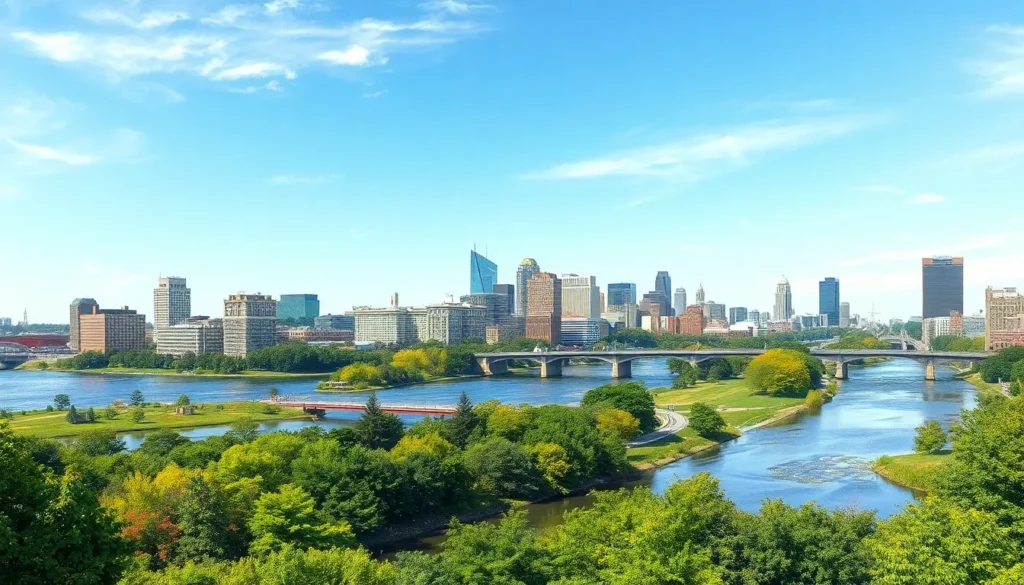
Minneapolis boasts a vibrant cultural landscape, rich history, and unique geographic features. Located in Minnesota, this city attracts visitors with its blend of urban and natural environments.
Historical Background
Established in the mid-19th century, Minneapolis grew rapidly due to its booming milling industry. The Mississippi River played a crucial role in this expansion, providing the necessary resources and transportation. Flour mills flourished along the riverbanks, leading the city to earn the title “Mill City.” In addition, significant immigrant populations contributed to the city’s diverse cultural fabric. Historic sites and districts today reflect this rich heritage, showcasing architecture from the late 19th and early 20th centuries. Many visitors explore this history through museums and tours, connecting with the past.
Geographic Location
Minneapolis sits in the southeastern region of Minnesota, adjacent to the Mississippi River. It forms part of the Twin Cities metropolitan area alongside St. Paul. The city covers approximately 58 square miles, offering a mix of urban and natural spaces. Lakes and parks enhance its appeal, with the Chain of Lakes providing recreational opportunities. Seasonal variations impact the landscape significantly, with ice-covered lakes in winter and vibrant greenery in summer. Accessible transportation routes connect Minneapolis to surrounding states and regions, further enhancing its prominence as a major urban center.
The State of Minnesota
Minnesota, located in the Upper Midwest region of the United States, is known for its diverse landscapes and vibrant cities. Minneapolis serves as the largest urban center in this state, showcasing a mix of culture, commerce, and natural beauty.
State Overview
Minnesota boasts 86,936 square miles of land, making it the 12th largest state in the US. The state features diverse geographical regions, including prairies, forests, and lakes, with over 10,000 lakes available for recreation. The Mississippi River flows through Minneapolis, enriching the local environment and providing key resources. Established in 1849, Minnesota combines rich history with modern advancements. The state capital, Saint Paul, sits directly across from Minneapolis, creating a dynamic twin cities atmosphere. Residents enjoy a high quality of life supported by strong education and healthcare systems.
Cultural Significance
Cultural influences in Minnesota are diverse, stemming from significant immigrant populations and Indigenous communities. The arts scene flourishes in the Twin Cities, featuring renowned institutions like the Guthrie Theater and the Walker Art Center. Minnesota hosts numerous festivals celebrating its heritage, including the Minnesota State Fair, attracting over two million visitors annually. Local cuisine incorporates hearty dishes like hotdish and Jucy Lucy, celebrating the state’s unique culinary identity. Natural beauty enhances cultural experiences, as cities blend urban life with outdoor activities. The state’s commitment to preserving its cultural history fosters a rich environment for artistic expression and community engagement.
Key Features of Minneapolis
Minneapolis boasts a blend of cultural, economic, and recreational features that define its identity. This vibrant city engages both residents and visitors alike with unique attractions and significant economic contributions.
Major Attractions
Notable landmarks capture the essence of Minneapolis. The Mall of America, the largest shopping mall in the U.S., draws millions of visitors each year. Lakes and parks, including the Chain of Lakes, offer abundant outdoor activities and scenic beauty. Visitors often enjoy the renowned Guthrie Theater and the Walker Art Center, known for their artistic contributions. Landmark sites like the Spoonbridge and Cherry provide iconic visuals that resonate throughout the city. Historic districts showcase stunning late 19th and early 20th century architecture, connecting the present with the past.
Economic Contributions
Minneapolis serves as a critical economic hub in Minnesota. The city is home to Fortune 500 companies, enhancing its business landscape. Major players like Target and U.S. Bancorp contribute significantly to local employment. The thriving tech and healthcare sectors further elevate Minneapolis’ economic profile. This city also benefits from its strategic location along major transportation routes, facilitating trade and commerce. Local entrepreneurs bolster the economy, establishing innovative startups that reflect the community’s spirit.
Minneapolis stands as a testament to Minnesota’s unique blend of culture and history. Its vibrant arts scene and iconic attractions make it a must-visit destination. The city’s rich heritage and diverse population reflect a dynamic community that thrives on tradition and innovation.
With its stunning landscapes and recreational opportunities, Minneapolis offers something for everyone, regardless of the season. The strategic location and economic significance further enhance its role as a major urban center in the state. Visitors and residents alike can appreciate the charm and character that define this remarkable city.